
 Name: Joel Javer
Title: Partner and Certified Financial Planner™
SH&J team member since: December, 1990
As a Partner of Sharkey, Howes & Javer, a financial advisor, marketing director and member of the investment department, you wear many hats around here, and are a role model to your staff. What advice do you have for our younger team members and for people wanting to join the financial planning industry?
Be honest with yourself and clients. Listen carefully to what clients say and provide non biased advice as to what they should do to achieve their goals.
What was your first job and how old were you?
I had a paper route when I was 10 and then worked in a stationary store when I was 15.
You have traveled all over the world. What was your favorite destination and why?
Italy. The people are fun to be with, the country and cities are beautiful and I can recognize what I am eating.
Looking back, what do you feel has been your biggest accomplishment?
Starting Sharkey, Howes & Javer. The number of clients we have helped with their financial decision making and the generations of planners that we have developed to assure continuity of client needs and the legacy of the firm, when I stop to think about it, is richly rewarding.
Tell us something we would be surprised to learn about you.
As I child, I liked listening to classical music.

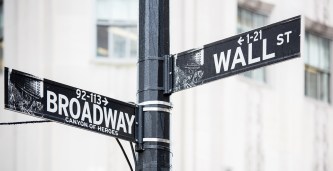 Volatility is increasing in the U.S. markets making it more difficult to determine what direction your investments should take in 2015. When Oil slid from $100 to $50/barrel, the U.S. stock market rallied in anticipation that lower gasoline prices would allow consumers to spend this windfall somewhere more interesting than the pump, but that hasn’t happened yet. So far, all we’ve seen are layoffs in the oil patch and more price swings in the S&P 500. Europe is justifiably concerned about Greece and its willingness to resolve its debt crises. They keep talking and positioning as well as negotiating via the media with the Germans, but nothing significant has happened yet. So far this year, international markets have had some gains even slightly more than the U.S., but the structural problems outside the U.S. make us remain cautious. Over the past 6 years, the best place to invest your money has been the S&P 500. This index is likely a bit overvalued right now, and perhaps the international markets are a bit undervalued, but no one knows when the trend will change. It appears that the U.S. dollar will maintain the dominant currency for the foreseeable future making our exports more expensive. This does however, allow foreign companies to increase their sales to the U.S., likely making them more profitable. The U.S. has seen substantial job growth but minimal wage growth over the past year, which is encouraging news for corporate profits. We have yet to see consumer spending rebound to its pre great recession levels, but as more people get reemployed and old debts are repaid, the outlook for the U.S. appears to be the brightest around. How does this translate into your portfolio design? A large part of your portfolio will remain invested in the U.S. with some allocations hedged to the U.S. dollar in International stocks and bonds. Bond positions will remain primarily in U.S. corporations with some international exposure, but the U.S. looks like the place to be right now.
 Sharkey, Howes & Javer Blog